Learning the Skill of Relaxation
For many men who’ve lived through trauma, relaxing can be difficult. Staying alert and constantly scanning for danger may have been necessary at one time to stay safe or minimize harm, and even long after the danger has passed, the body can hold on to those habits. Many survivors remain in that mode, carrying physical and mental tension without even realizing how much it’s affecting them.
Relaxation exercises are short, focused routines designed to help your body unwind in a way that supports healing and well-being. The ability to gently slow your breathing, release muscle tension, and calm your mind is a powerful life skill, one that many of us never learned, but one that we can start practicing any time.
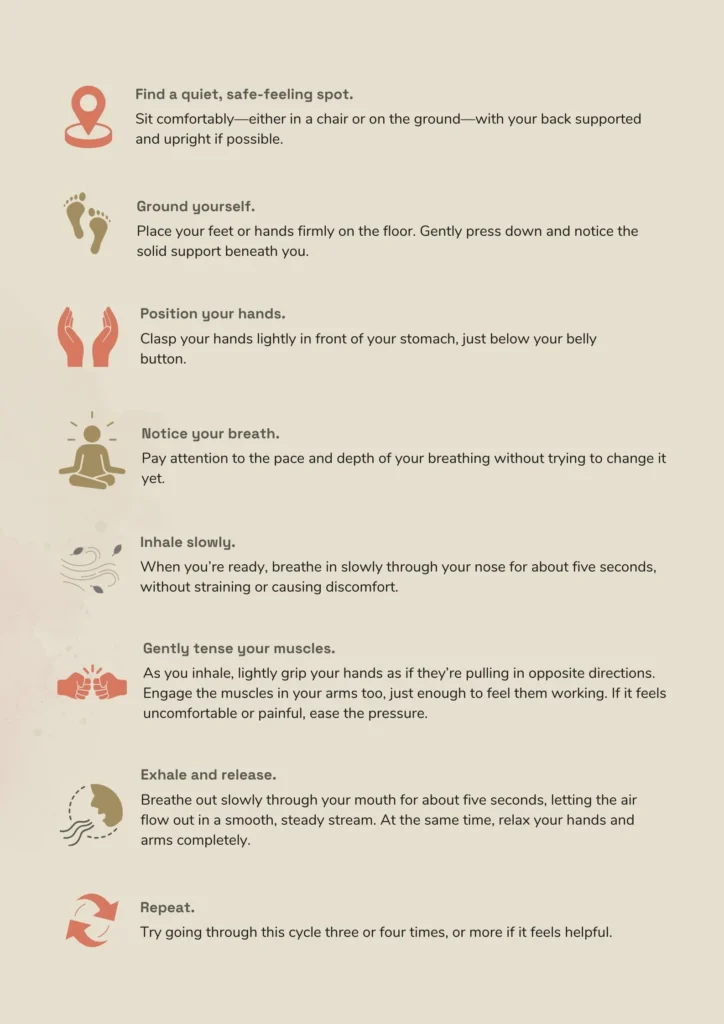
Below is a simple relaxation exercise to try. If you like it, you might even consider building into your daily routine.
A Simple Breathing and Muscle Relaxation Exercise
Relaxation doesn’t have to look a certain way or last for a certain amount of time.
Consider a Digital Break
While our smartphones can keep us connected, entertain us, and at times be literal life savers, constant use can drain our energy and attention, disrupt our sleep, and impact mental health and relationships. Taking a break or partial detox from screens can support focus, rest, and a greater sense of control.
- Reducing or turning off app notifications on your phone or fitness tracker
- Logging off or powering down devices at a set time each night
- Keeping phones out of bedrooms, workspaces, or social settings
- Limiting or stepping back from addictive social media platforms
- Setting personal screen-time limits each week
- Letting others know you’re reducing online time, and consider teaming up with a digital detox buddy
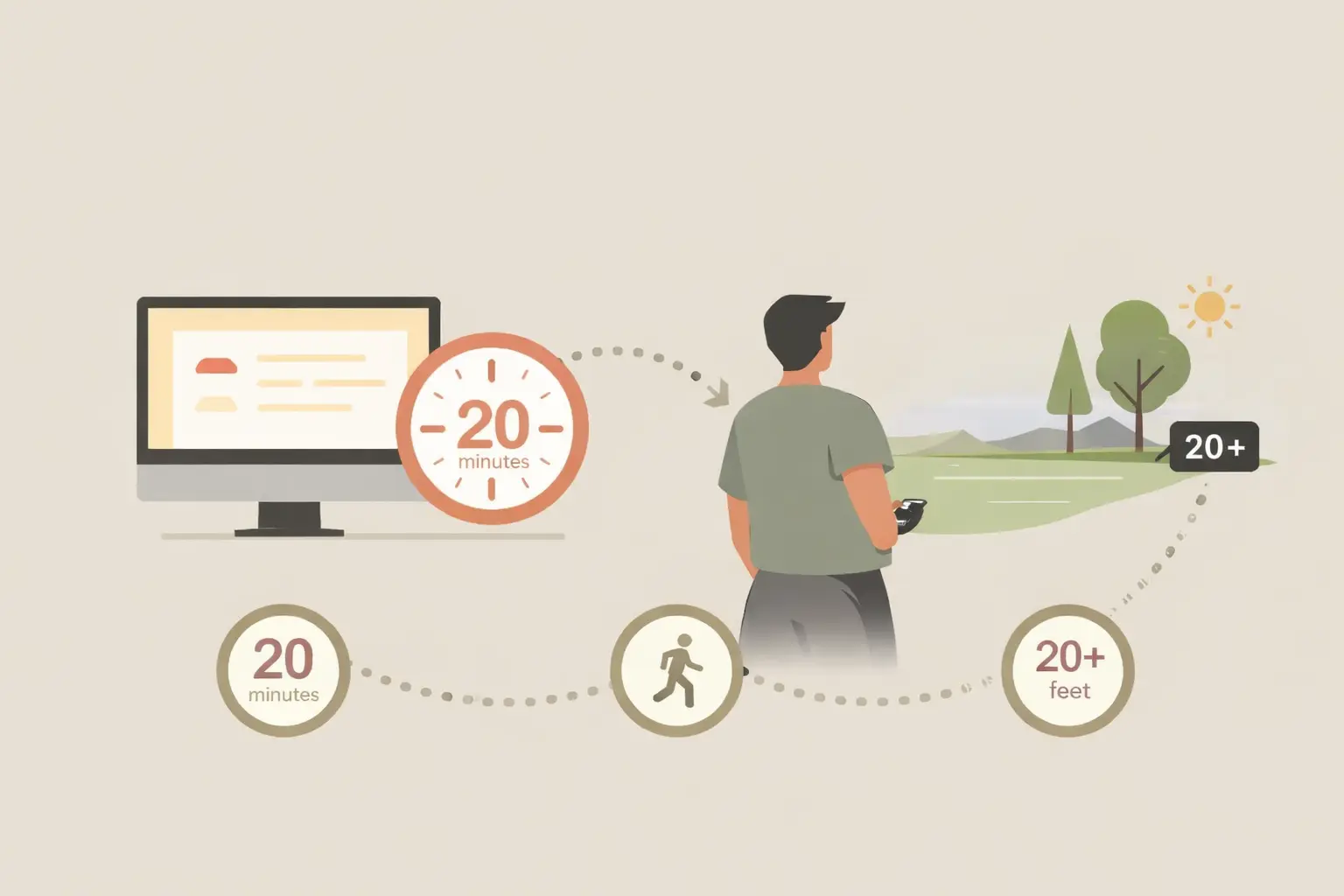
- Using the 20–20–20 rule: every 20 minutes, take a break for 20 minutes, at least 20 feet away from your device.x
You don’t have to unplug completely to feel a difference; even small shifts can go a long way. Try starting with one change that feels doable and notice if and how it helps you feel more present and connected to your everyday life.
Disclaimer: The information on this page is general in nature and is not a substitute for professional advice. We encourage you to prioritize your safety and well-being and to consider seeking support from a qualified healthcare professional if needed.