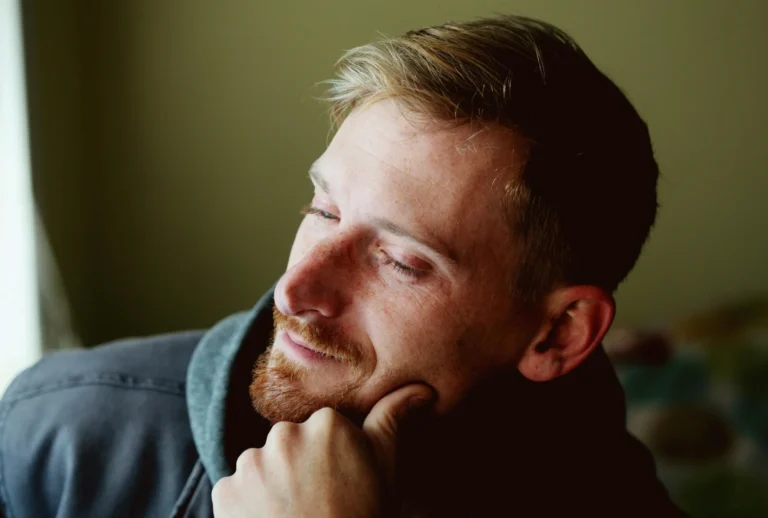
You may have heard the term mindfulness before. It’s related to relaxation, but it’s a little different.
It’s noticing what’s already happening instead of letting your mind run on autopilot.
Observing Our Thoughts

Mindfulness helps create space between you and the thoughts or feelings that can feel intense or overwhelming. Instead of getting pulled into them, you take an “observer” position, watching thoughts come and go without needing to react. Think of it like having a quiet, high-up vantage point where you can see the landscape of your mind with more clarity.
Practicing mindfulness is useful in and of itself, not just when you are having difficulties, and can be woven into every day activities. For example, pausing to take a breath (and noticing that you’re taking a breath) is a form of mindfulness. So is noticing the flavor of your coffee, your steps as you walk, or the sensation when you wash your hands. The more you build these small moments into your day, the more awareness you’ll have, and with it more room to choose how you respond.
Common Challenges
Many people feel pressure to “get mindfulness right” or think they’re doing it wrong when their mind wanders.
Mindfulness isn’t about clearing your mind; it’s about noticing when your attention has wandered, and then bringing it back. That noticing is mindfulness.
It can also feel strange if you’re used to always taking action. Mindfulness asks you to notice without fixing, judging, or trying to change anything. That can feel uncomfortable at first. Over time, though, this observing stance can become a powerful tool, helping you notice thoughts without being controlled by them.
A Short Mindfulness Exercise

- Start with your breath.
Begin your practice by anchoring your attention to your breath. You can think “in” on the in breath and “out” on the out breath. Your breathing is your anchor. Return your attention to your anchor whenever you need to. - Notice what arises.
When a thought, feeling, or physical sensation pulls at your attention, simply acknowledge it. You might label it—thought, feeling, worry, memory, sensation. - Observe without judgment.
Try to meet each thought with a curious, open attitude. Don’t label it good or bad. Just observe it as you would a leaf on a stream, watching it float by. - Let thoughts move on.
Let all thoughts drift out of awareness on their own. You don’t have to push them away because they will naturally pass on their own, in order to make room for the next “leaf” to go by. - Return to your anchor.
After noting each thought, simply draw your attention back to the breath, and once again think “in” on the in breath and “out” on the out breath.
Continue this process, practicing for about five minutes. As it becomes more familiar, you can extend the time or add it to your daily routine.
Yoga, Tai Chi, & Qigong
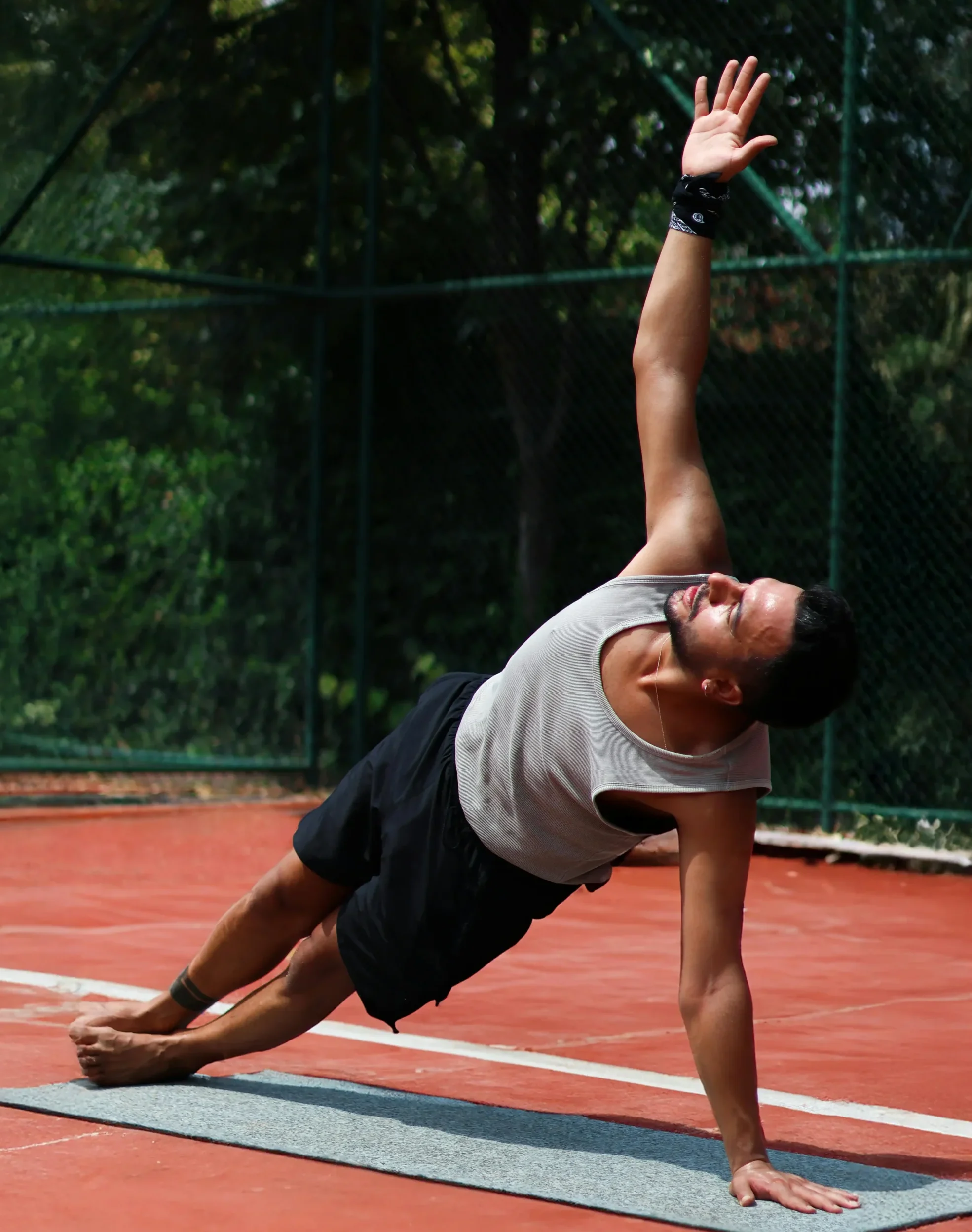
Mindful Movement for Healing
There is growing evidence that mindful movement practices like yoga, tai chi, and qigong support both physical and mental well-being and can help address the impacts of trauma. Because trauma is experienced in the body and can overwhelm the nervous system, these practices can support survivors in rebuilding a sense of control, safety, and connection with their bodies and selves.
Honor Your Preferences
If you’re considering one of these practices, it’s okay to be proactive. Let instructors know your preferences such as keeping your eyes open, avoiding certain types of touch, or skipping movements that feel stressful or uncomfortable. Remember: many people live with injuries, and not every exercise works for everybody.
Connect In Person or Online
It may be worth looking around for local yoga, tai chi, or qigong groups, including mixed or men’s classes. If in-person options aren’t accessible, online classes can be a supportive way to get started at your own pace.
Disclaimer: The information on this page is general in nature and is not a substitute for professional advice. We encourage you to prioritize your safety and well-being and to consider seeking support from a qualified healthcare professional if needed.