There is no single way boys and men are affected by unwanted or abusive sexual experiences.
Every survivor’s story is unique, shaped by a wide range of complex and interconnected factors. We want you to know that no matter what your experience, with appropriate information and support, healing and recovery are absolutely possible.
Prioritize your well-being
As you explore this page, remember to move at a pace that feels right for you, and make use of the StrongAfter Strength Toolkit, which offers information and resources designed specifically to support male survivors and the people who care about them. Take good care.
Key Themes
The below information offers a framework for understanding how unwanted or abusive sexual experiences can affect different areas of life, and how healing is possible.
- What shapes the impact: Everyone’s experience is different. Things like personal history, the context of what happened, and the nature of the abuse all influence how it affects someone, both at the time and over the long term.
- How life can be affected: Unwanted or abusive sexual experiences can affect many parts of life to varying degrees, including sense of self, mental health, relationships, physical health, and social, cultural, or financial well-being.
- Paths toward healing and growth: With trauma-informed support, male survivors can work through these impacts, build purposeful lives, and find ways to move forward and contribute to positive change.
Factors That Influence Impacts
As stated above, everyone’s experience is different, and there are a range of factors that can influence how abuse affects someone over time, including:
- The timing and nature of the abuse. For example, the age at which it began, how invasive it was, how long it continued, and how often it occurred.
- The survivor’s relationship to the person offending, and whether more than one person offended. When the person who caused harm is a caregiver, the child may be more isolated and have fewer support options.
- The survivor’s characteristics and circumstances. Such as developmental age, gender, abilities, social connections, experiences of other maltreatment, and whether they live in a safe and nurturing environment.
- Whether the survivor was listened to, believed, and provided with appropriate support when the abuse was discovered and/or disclosed.
While circumstances and individual characteristics can influence outcomes, they do not determine destiny.
Male survivors continually demonstrate incredible resilience and the ability to overcome even the most harrowing life experiences.
Impacts of Abuse (Including Episodic and Sleeper Effects)

As we move on to discussing the impacts of abuse, we want to say that what follows isn’t a checklist or a guaranteed outcome for any boy or man. Some of these impacts may resonate with you, and others may not reflect your experience at all. Certain difficulties may come and go or show up only occasionally, and some may emerge later in life, often described as episodic or sleeper effects.
In addition, as you read through these impacts, we invite you to approach them with curiosity rather than self-judgment. These impacts are common in the context of abuse, not signs of anything being “wrong” with you. Putting words to them can help us see where support can make a difference and where healing is possible.
Impacts on Self
Experiences of sexual abuse can shape how a person understands themselves and how they move through the world.
- Negative self-image, distrust of self and others, self-blame, guilt, shame, low self-esteem, ongoing self-doubt, and constant self-monitoring
- Isolation and loneliness, feelings of helplessness, hopelessness, grief, and loss
- Rigid beliefs or perfectionism, risk-taking behavior, a sense of chaos or lack of control, and unhelpful thinking patterns
- Confusion or distress around gender or sexual identity, including pressure to “prove” masculinity or sexuality
In addition, limited awareness about male survivors—and a lack of gender-responsive support—can deepen feelings of isolation, self-questioning, and pressure to conform to gender expectations.
Mental Health Difficulties
There is a growing awareness of the mental health challenges that can affect those who’ve survived unwanted or abusive sexual experiences.
- Complex Post-Traumatic Stress
- Depression and anxiety
- Hypervigilance, hyperarousal, or hypoarousal
- Emotional numbing
- Flashbacks, intrusive memories, panic attacks, or freezing (see Dealing with Flashbacks & Nightmares)
- Overwhelming emotions or thoughts (see Understanding & Managing Emotions)
- Self-harm or increased suicidal ideation
- We recognize that suicidal thoughts and behavior are a common impact and have therefore created a separate article and podcast addressing this topic. Check out: Dealing with Suicidal Thoughts.
Because sexual abuse occurs in the context of relationships, it can result in what’s called developmental or complex trauma.
- Regulating emotions
- Feeling in control of one’s thoughts, actions, or impulses
- Maintaining a cohesive and positive sense of self
- Experiencing relationships as safe, supportive, or nurturing
Relationship Difficulties
Given that abuse occurs within relationships, it’s not surprising that difficulties may surface in relational contexts, including:

- Struggles with trust and intimacy, forming and maintaining relationships, fear of abandonment, heightened sensitivity to criticism, challenges managing conflict, and experiences of intimate partner violence.
- Increased confusion during sexual and emotional intimacy, including difficulties when a person “checks out” or emotionally disengages, and confusion between sex and love.
- Parenting can be especially challenging, as it may evoke memories of one’s own childhood, triggering feelings of vulnerability, anxiety, and distress, and wanting to protect and keep a child safe.
Partners and close supporters can also benefit from specialist information and support, particularly when they are navigating the impacts of abuse alongside someone they care about.
See Navigating Relationship Challenges and Developing Intimacy for more information.
Social, Cultural, and Economic Impacts
Many men describe challenges across social, cultural, and economic areas of life.
- Substance use and compulsive behaviors, including alcohol and drugs (legal and illegal), gambling, pornography, sex, and exercise. Some coping habits that once helped men get through difficult periods can, over time, stop helping and become challenges of their own.
- Education and learning, including struggles with concentration, studying, or literacy. And for many, school was a place of pain, shame, or humiliation; others, education became a refuge—a way to regain a sense of control, competence, and achievement.
- These impacts can have lasting effects, making it harder to access higher education, build a professional career, or secure stable, well-paid employment and the security that often comes with it, such as health insurance and home ownership.
- Employment and financial security, including navigating workplace pressures, surveillance, micromanagement, holding a job, or feeling confident enough to pursue new opportunities. For some, work can also become a primary source of validation and reward, bringing risks of overworking or loss of identity when work is no longer possible.
- Increased risk of housing instability, re-victimization, involvement with the criminal legal system, and incarceration.
- Disconnection from culture, spirituality, and faith, including loss of meaning, belonging, or trusted sources of guidance and support.
Physical and Health Difficulties
The physical impacts of unwanted or abusive sexual experiences are also increasingly recognized and better understood.
- Heart and cardiovascular strain, including elevated stress responses
- Gastrointestinal difficulties, including chronic pain, bowel problems, soiling, or pain during bowel movements
- Chronic physical pain, which may have no clear medical cause or may be worsened by stress and trauma
- Body image concerns, including risk of disordered eating, anorexia, or body dysmorphia
- Sleep difficulties, such as insomnia, nightmares, or sleep apnea
- Reduced use of health and dental care, often due to avoidance, fear, or lack of access, allowing health issues to compound over time
- Sexual and reproductive health difficulties, including changes in desire, arousal, orgasm, or resolution; pain during sexual activity; erectile dysfunction; and increased risk of STIs, including HIV.
If any of these sound familiar, you’re not alone, and support is available. Speaking with a doctor or other trauma-informed health professional can be an important step toward care and relief.
Post-Traumatic Growth
As we’ve noted, abuse can profoundly affect a survivor’s life. And yet, alongside these impacts, many survivors also describe forms of positive change that emerged as they healed from trauma, what researchers call post-traumatic growth.
These experiences do not diminish the seriousness of the abuse or imply that it was “for the best.” Rather, they reflect the diversity and strength of survivors’ responses to trauma.

- Greater appreciation and valuing of life
- Closer and stronger relationships
- Increased resilience and sense of personal strength
- Heightened compassion and altruism
- Recognition and use of personal strengths
- Re-evaluation of life priorities and new possibilities
- Creative growth
(Tedeschi, Growth After Trauma, 2020)
Again, post-traumatic growth is not about feeling okay that abuse occurred, nor does it downplay the impacts. It reflects how some survivors make meaning from what happened and channel their experiences toward healing, connection, or helping others.
What Helps Men Heal
When addressing the impacts of unwanted or abusive sexual experiences, it can be helpful to take a strategic and positive approach, one that builds on your personal strengths, fosters meaningful connections, and tackles challenges in a practical way.
Maintaining a hopeful, compassionate mindset is an important part of this process. It can be useful to:
Abuse affects both body and mind. Establishing a strong foundation through healthy daily routines—physical, emotional, and psychological—can reduce the influence of trauma and create a more stable platform from which to face difficulties.
Explore the StrongAfter Strength Toolkit for comprehensive resources that support this process.
Targeted information can reduce isolation, self-blame, and shame while helping survivors understand their experiences. Many men find it helpful to explore companion resources such as:
Challenges arising from unwanted or abusive sexual experiences are not evidence of personal weakness or failure. They are injuries caused by what was done to you, not who you are.
Self-blame and self-doubt benefit the person who caused the harm. Strengthening your self-belief, knowledge, skills, and support system benefits you.
As one man put it so clearly:
“I have learned it is helpful to remind myself that ‘it’s not me that is the problem: It is what was done to me.’ And while I know I can’t change the past, I am the one who is here now and is working for my future…” — Jake
Developing practical tools for identifying, tolerating, and navigating strong emotions can support integration of mind and body and deepen engagement in our relationships.
See our companion article and podcast Understanding and Managing Emotions.

Supportive connections make a difference. Talking with a partner, friend, peer, or coworker can help, as can connecting with others who have had similar experiences. Many survivors find that their lives improve when they both receive and offer support.
A therapist or health professional experienced in working with male survivors can provide trauma-informed, compassionate, confidential support. The right practitioner, guided by up-to-date knowledge, can help you build the life you want.
Life brings challenges for everyone. Not all struggles stem from abuse, and building the capacity to navigate everyday problems is an important life skill, one that grows over time.
Behaviors like alcohol or drug use may have once helped numb distressing memories, but may now be causing harm. Recognizing when strategies have passed their “use-by date” is an important step toward change.
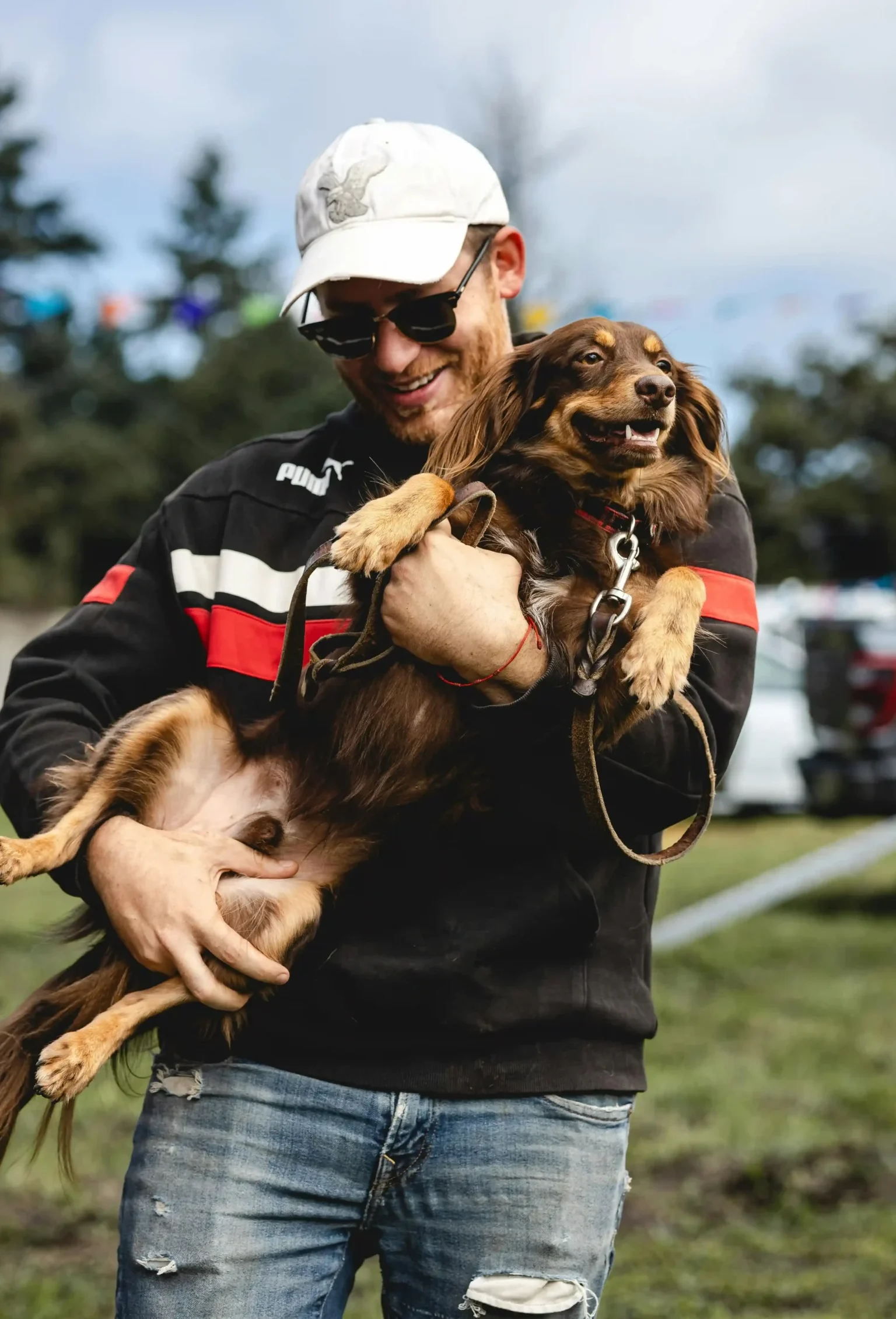
Cultural expectations about always being “strong,” “independent,” or “stoic” can isolate men and prevent them from seeking support. These expectations can be limiting and get in the way of addressing challenges and recognizing that we all benefit from giving and receiving help. Isolation benefits those who caused the harm; connection benefits survivors.
Focus on expanding your skills, increasing emotional engagement, acknowledging vulnerability, and actively seeking support. These actions open new possibilities and reinforce resilience.
Don’t lose sight of the fact that as someone who has experienced child abuse and learned to confront and address difficulties, you have something to offer. As a friend, as a peer, who has been through tough times, you have something to offer. You can be there, listen, share your learning and support others.
A hopeful, compassionate mindset supports healing and fosters growth. Hope sustains us through difficult times and helps us emerge with a stronger sense of purpose, connection, and resilience.
See our Introduction to Self-Compassion for further guidance.
Remember
Healing is not a straight path. Some days will feel easier than others, and that’s normal. Stay patient with yourself and take note of the progress you’re making. Just being here, reading this page—that’s progress.
Disclaimer: The information on this page is general in nature and is not a substitute for professional advice. We encourage you to prioritize your safety and well-being and to consider seeking support from a qualified healthcare professional if needed.