
Why Values Matter
Dealing with painful experiences like memories of sexual abuse, trauma, anxiety, or depression can be a drain on your energy. Some days, it might feel like you’re just doing what you can to get through.
One way to steady yourself during tough moments, and in life more broadly, is to get clearer about what you stand for as a person: your values. Values are the things that matter most to you—your personal guideposts for how you want to live and who you want to be.
- Give you direction when life feels chaotic
- Make decisions a little more straightforward
- Help you feel less knocked off course by stress and emotions
What Are Values?
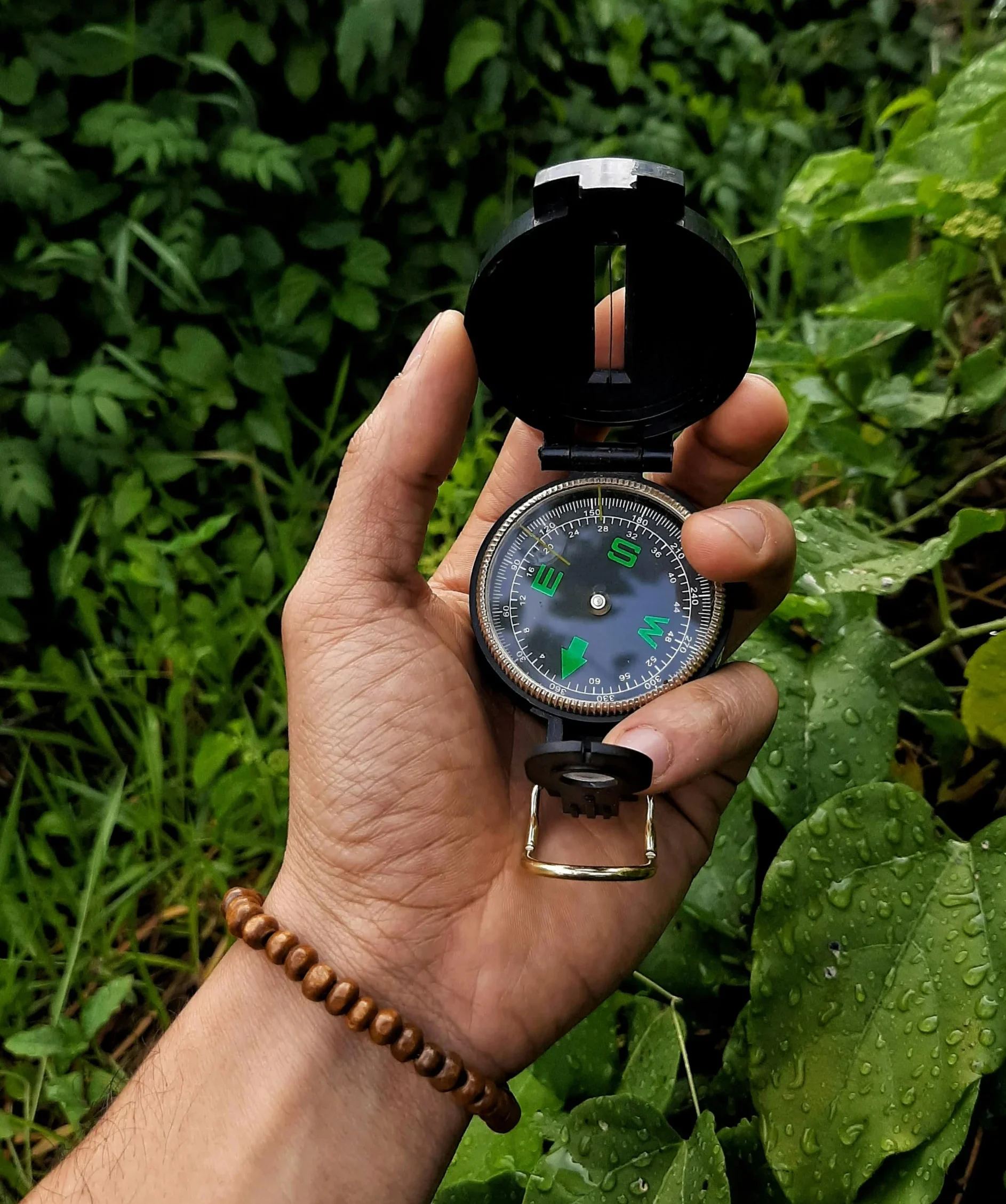
You can think of values as a kind of internal compass.
- How you treat yourself and other people
- How you act in specific situations
- The kind of life you want to life
Values can come from many places: how you were raised, cultural background, spiritual or religious traditions, personal beliefs, or lessons you’ve learned along the way.
- Being honest or compassionate
- Treating people fairly
- Being creative
- Being reliable or “doing your best”
Whatever their source, values are your sense of the “right way for you” to live, not in a perfect way, but in a way that feels true to who you are and who you want to become.
Values and Trauma
When we’re dealing with the effects of trauma, it can be easy to get pulled into old patterns: negative thought spirals, self-criticism, overthinking, or feeling stuck and frozen.

- Spend less time caught in those spirals
- Focus more on “Who do I want to be now?”
- Make choices that move you in a direction that matters to you
Living in line with your values doesn’t remove pain or difficulty, but over time, acting in line with your values can make life feel more purposeful and meaningful, even alongside hard experiences.
Tips for Identifying Your Values
Most of us don’t walk around with a list of our values in our back pocket. They’re usually there in the background, influencing what we do, but not always clearly named. Spending a little time getting clearer on them can be really useful.
You might start by asking:
What kind of person do I want to be in the different parts of my life?
How do I want to show up?

- Friendships – e.g., honest, loyal, “there when needed”
- Work or school – e.g., hardworking, acting with integrity, reliable
- Recreation and activities – e.g., fun, relaxed, curious, open to new experiences
- Parenting (if it applies) – e.g., loving, patient, compassionate, good listener
- Spirituality or meaning – e.g., thoughtful, tolerant, compassionate
- Community – e.g., giving back, responsible, connected
- Health and well-being – e.g, balance, rest, consistency, kindness toward yourself
- Difficult or confronting situations – e.g, calm, safe, grounded, acting with dignity and respect
There are no right or wrong answers. You’re not grading yourself, just getting curious about what matters to you.
Putting Values into Practice
Once you have a sense of your values, you can start asking:
If I were really living by this value, what might that look like today?
What’s one small action that lines up with what’s important to me?
- Sending a text to check in on a friend (value: connection)
- Taking a five-minute break instead of pushing through (value: caring for your health)
- Being honest in a conversation (value: integrity)
Our primary focus isn’t on being perfect or judging ourselves when we fall short. It’s about centering ourselves again and again on what matters most, and letting our values guide the next small step forward.
Disclaimer: The information on this page is general in nature and is not a substitute for professional advice. We encourage you to prioritize your safety and well-being and to consider seeking support from a qualified healthcare professional if needed.